The Investor ProtectorGet in touch

The book

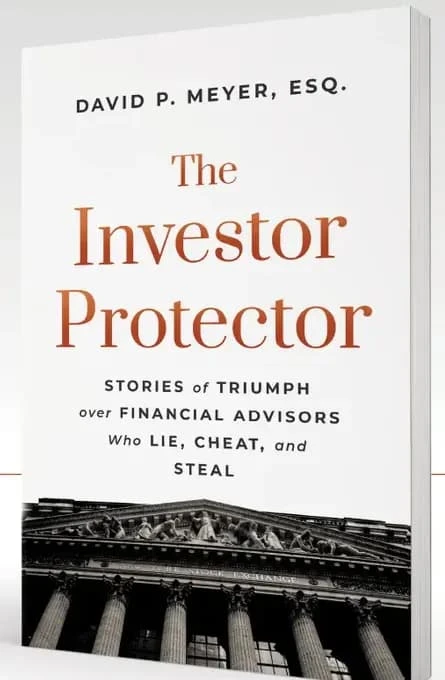
The Investor Protector: Stories of Triumph Over Financial Advisors Who Lie, Cheat, and Steal

David P. Meyer tells the stories of individual investors who trusted the wrong financial adviser, and what others can learn from their experience.

Original Lioncrest Publishing cover of The Investor Protector

About this edition

Author
David P. Meyer
Publisher
Lioncrest Publishing
Published
2021
ISBN
9781544517339
See the book record
“I wrote the book so fewer people would ever need to hire an investment fraud attorney.”

David P. Meyer, The Game Changing Attorney, episode 61

What makes a recommendation sound trustworthy? What should you be able to check independently? Those questions are useful long before anyone needs legal help.

Inside the seven chapters

Three parts, from choosing the adviser to deciding whether to seek help. Chapter titles and start pages follow the 2021 print edition.

The firm’s book page
Part 1 · pp. 35–74

Before you invest

Trust helps an adviser relationship work. It becomes a problem when it replaces checking. David asks what investors should learn about a broker’s record before deciding who gets the job.

You Trust Your Broker: That’s Good (and Bad)
p. 35
Who Gets the Job?
p. 53
Part 2 · pp. 75–136

How misconduct stays hidden

Most advisers do not lie, cheat or steal. These cases examine the exceptions: how an offer is sold, why it sounds credible and which details can escape even an investor who reads the statements.

Greed: The Dark Side of the American Dream
p. 75
Tools of the (Criminal) Trade
p. 91
Over Your Head and Under Your Radar
p. 109
Part 3 · pp. 137–162

When something goes wrong

A bad outcome alone doesn’t establish wrongdoing. The final part starts with the harder question: is there a problem with the advice or trades? It then turns to finding qualified help and understanding what a claim involves.

Is There a Problem?
p. 137
You Can Win the War, But You’ll Need an Army
p. 145

A reader’s field guide

Three questions to take into a conversation with a financial professional.

Who am I dealing with?

Check the person and the firm independently. Look up brokers in FINRA BrokerCheck and investment advisers in the SEC’s adviser database rather than relying on a link sent in a message.

Can I explain the investment?

Ask for the terms in writing: what you would own, where the money would be held, what it costs, and how you could get it back. Take time to read the answer.

Is someone rushing me?

You do not have to make a decision on the caller’s timetable. Pause, keep the correspondence, and check the details with someone independent of the offer.

David P. Meyer

Meet David

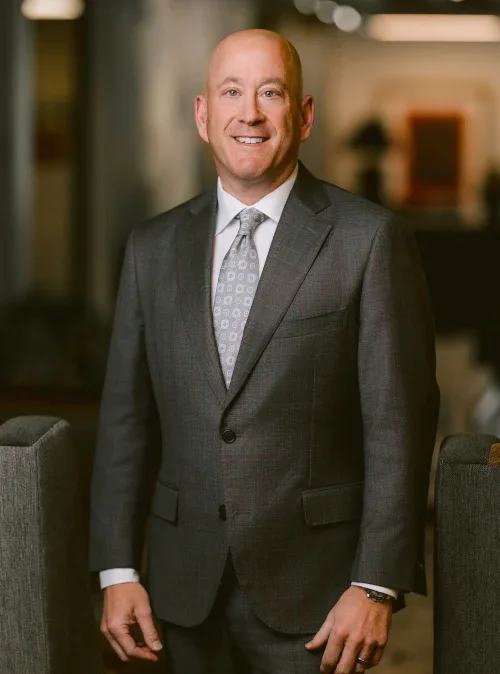
David is the founder and managing principal of Meyer Wilson Werning. His work representing individual investors is the starting point for the book.

Cases that shaped the book

From one retiree’s complaint to public research on unpaid awards, these are the experiences behind David’s advice.

The retiree who stopped him in the hallway

A 75-year-old investor had already tried several law firms. In a conversation with Harry Nalbandyan, David recalls the man's specific complaint: his broker had sold investments without his permission. David agreed to meet him again, drove to a small Ohio town and found about fifty people waiting. What sounded like one dispute was a pattern.

Hear David tell the story on Harry Handles It

What the Prudential retirees actually recovered

In 2002, an Ohio jury awarded about $262 million in Burns v. Prudential Securities, including $250 million in punitive damages. That was not what the retirees took home. An appeals court reduced the punitive award to $6.85 million. The firm records that Prudential paid a $32.08 million amended judgment in 2006, including interest, fees and expenses.

Read the firm's account of the verdict, appeal and payment

Who pays when an investor wins?

A winning arbitration decision settles who owes money. It does not make a defunct brokerage able to pay. As president of the Public Investors Advocate Bar Association, David worked with Hugh Berkson to count unpaid awards and examine how an investor recovery pool might work. Their measure was not just cases won, but money investors never received.

Read Berkson and Meyer's PIABA report

Writing for the person who hasn’t hired an adviser yet

David told Author Hour he wanted fewer people to need a lawyer like him. The book starts that work before the first investment: look up a prospective broker, read the disclosures and ask what a complaint means. Stories from his cases give retirement savers a reason to do those checks even when the introduction comes from someone they trust.

Read David's Author Hour interview